




Why Outdoor Jackets Fail: 7 Fabric Mistakes Apparel Brands Make
In the outdoor and functional apparel industry, product failure is rarely caused by design alone. In fact, most issues in jackets, skiwear, and performance outerwear come from one root cause: Incorrect fabric system selection at the development stage.
Julia W
5/7/20262 min read
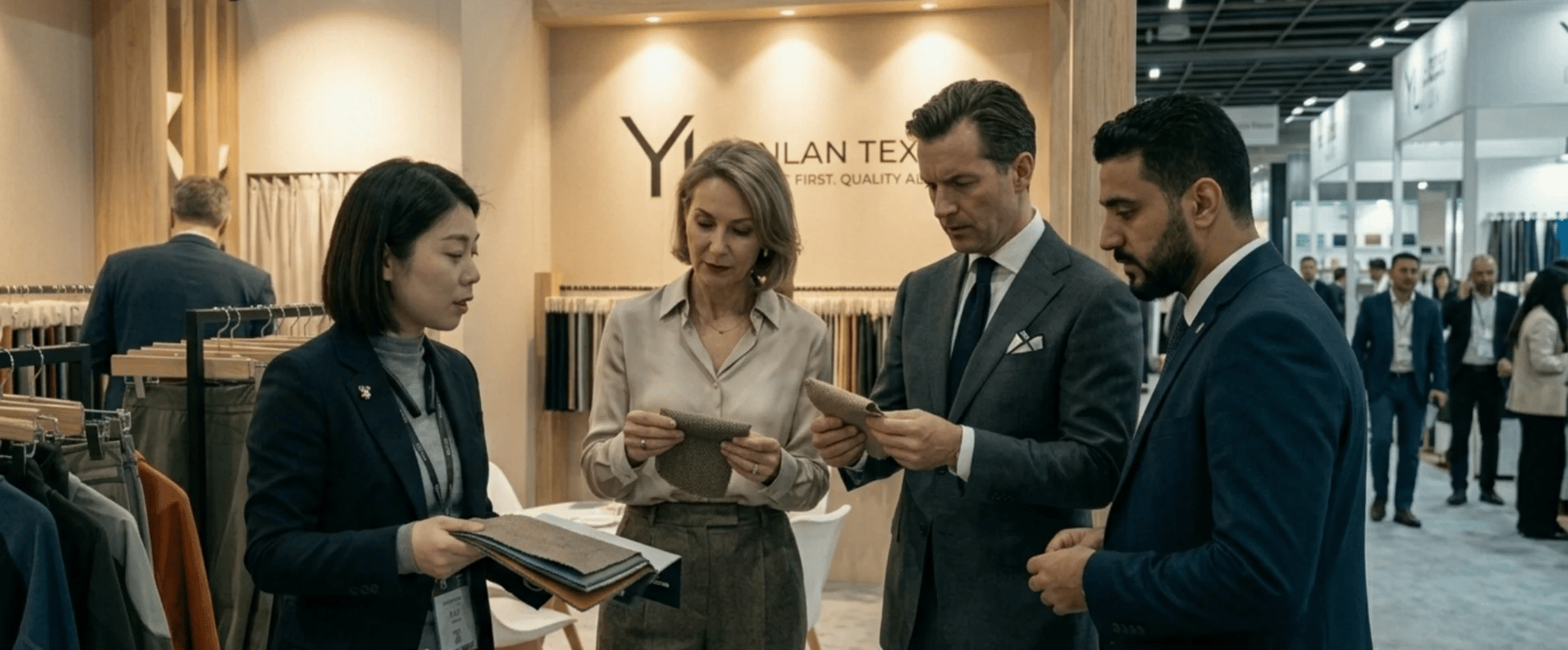

Many apparel brands invest heavily in design, marketing, and branding—but still face problems such as:
Jackets leaking after light rain
Fabric peeling or delaminating after washing
Poor breathability during physical activity
Color fading after outdoor exposure
Short product lifecycle in export markets
These are not “random defects”—they are predictable material engineering mistakes.
1. Mistake: Choosing Waterproof Fabric Without Considering Breathability
One of the most common issues is selecting a fabric that is “waterproof on paper” but fails in real wear conditions.
Many PU-coated fabrics block water effectively but also trap moisture inside the garment, causing:
Sweat buildup
Discomfort during movement
Poor user experience in sportswear
Solution:
For performance jackets, brands should consider TPU membrane systems, which offer a better balance between:
Waterproof protection
Moisture vapor transmission (breathability)
👉 Explore functional fabric systems:
https://www.yl-fabric.com/
2. Mistake: Ignoring Long-Term Durability (Especially Washing Resistance)
A jacket may perform well in sampling, but fail after 5–10 washing cycles.
This is often due to:
Weak coating adhesion
Low-quality PU systems
Poor lamination bonding strength
Solution:
Use engineered laminated structures such as TPU-based woven fabric systems, which provide:
Higher hydrolysis resistance
Better flex durability
Longer lifecycle stability
3. Mistake: Underestimating UV Exposure and Color Fading
Many brands overlook fabric light fastness performance during development.
In real outdoor use:
UV exposure breaks down dye molecules
Dark colors fade faster
Brand identity colors lose consistency
This is especially critical for:
Outdoor jackets
Sportswear
Uniform programs
Solution:
Select fabrics with:
High-grade dye systems
UV-resistant finishing
Stable fiber-dye bonding (especially polyester systems)
4. Mistake: Overusing Low-Cost Coatings for Premium Products
PU and PA coatings are widely used due to cost advantages, but they are often misapplied in high-performance garments.
Risks include:
Reduced long-term durability
Hydrolysis under humid environments
Inconsistent performance across markets
Solution:
Match material technology with product positioning:
PU → fashion waterproof outerwear
PA → structural reinforcement layers
TPU → performance outdoor systems
5. Mistake: Ignoring Fabric System Compatibility
Many brands select fabric, coating, and lamination separately without considering system compatibility.
This leads to:
Delamination
Poor adhesion between layers
Unstable performance in production
Solution:
Work with integrated fabric engineering systems that combine:
Woven base fabric
Functional coating or membrane
Finishing treatments
6. Mistake: No Climate-Based Development Strategy
A fabric that performs well in Europe may fail in:
Middle East (high UV intensity)
Southeast Asia (humidity + heat)
North America (temperature variation)
Solution:
Develop fabric systems based on:
Target market climate
End-use intensity level
Washing and care expectations
7. Mistake: Treating Fabric as a Commodity, Not an Engineering System
The biggest mistake is treating fabric as a simple material purchase instead of a performance system design decision.
Modern functional apparel requires:
Waterproofing
Breathability
Durability
UV resistance
Comfort balance
These cannot be solved by a single material choice.
How YL Textile Helps Apparel Brands Reduce Product Failure Risk
At YL Textile, we focus on functional woven fabric engineering, not just fabric supply.
We help brands reduce development risks by offering:
TPU membrane laminated performance fabrics
PU & PA coating optimization systems
Custom fabric development based on end-use application
Climate-specific material engineering for export markets
👉 Learn more:
https://www.yl-fabric.com/fabric-trends-for-apparel-brands-in-2026
Application Scenarios
This content is especially relevant for:
Outdoor jacket brands
Skiwear manufacturers
Sportswear developers
Workwear and uniform suppliers
Textile sourcing and product development teams
FAQ (For Apparel Brands & Developers)
1. Why do outdoor jackets fail so often?
Because many brands choose materials based on cost, not full performance systems.
2. What is the most common fabric mistake in waterproof jackets?
Using low-breathability coatings that trap moisture inside the garment.
3. How can brands improve jacket durability?
By using laminated systems like TPU with high bonding stability and hydrolysis resistance.
4. Is PU coating suitable for high-performance outdoor wear?
It depends on the application, but TPU is generally more stable for performance products.
5. How important is fabric selection in product success?
Extremely important—it directly affects comfort, durability, and brand reputation.
Contact YL Textile
If you are developing your next functional apparel collection, we can support your fabric development:
LinkedIn: https://www.linkedin.com/in/ylfabric/
WhatsApp: https://wa.me/8613535457198
Telegram: https://t.me/yl_fabric
Facebook: https://www.facebook.com/yl.fabric/
Address
Office Hours
YL Textile
No. 999 Xihuan 2nd Rd.,
Shengze Town, Wujiang Dist.,
Suzhou, Jiangsu, China
Postal Code: 215228
Contact
Mon - Fri: 09:00 - 22:00
Sun: Closed