




Fabric Trends for Apparel Brands in 2026
From Performance to Everyday Wear: What Buyers Need to Know The global apparel industry is entering a new phase where fabric selection is driven not only by cost, but by performance, comfort, sustainability, and versatility across multiple use scenarios.
Julia W
5/5/20263 min read
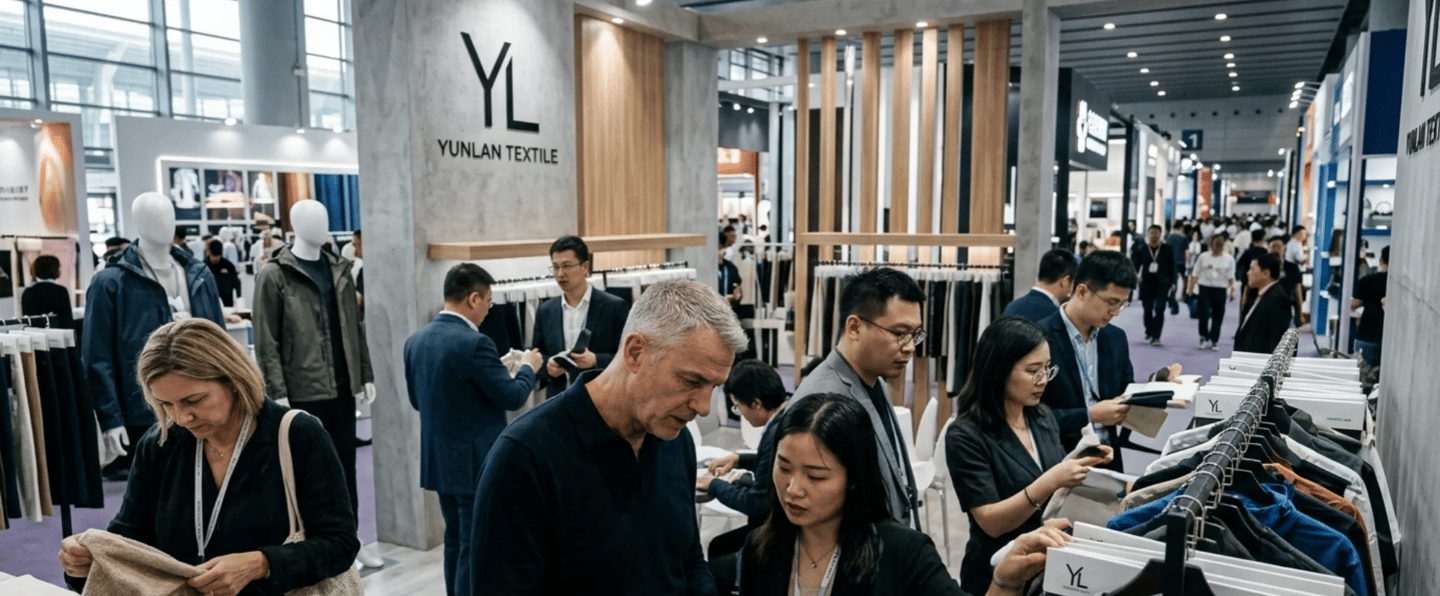
For apparel brands, designers, and product managers, understanding fabric trends is essential for reducing development risks, improving product positioning, and meeting evolving consumer expectations.
This article explores the key fabric trends shaping apparel development in 2026, with a focus on outdoor wear, sportswear, and urban functional apparel.
1. Lightweight Functional Fabrics Are Becoming the New Standard
Lightweight performance fabrics are rapidly becoming a baseline requirement across multiple apparel categories.
Brands are increasingly developing garments that require:
Reduced overall weight
Improved mobility
Enhanced wearing comfort
Efficient packing for travel
This is especially relevant when selecting fabrics for outdoor jackets, travel garments, and multifunctional apparel designed for daily use.
From a technical perspective, lightweight fabrics are achieved through:
Optimized yarn selection (microfilament, high-strength fibers)
High-density weaving structures
Advanced finishing processes such as DWR and lamination
As more brands focus on reducing garment weight while maintaining performance, lightweight fabrics are becoming a core direction in product development.
For more information about available fabric categories, you can explore:
👉 https://www.yl-fabric.com/
2. Matte Finish Fabrics Are Replacing Traditional Shiny Surfaces
The visual direction of modern apparel is shifting toward clean, understated aesthetics.
In outdoor and performance wear, high-gloss fabrics are gradually being replaced by matte surfaces that provide a more refined and versatile appearance.
Matte fabrics are now widely used in:
Outdoor jackets for European markets
Urban outdoor collections
Minimalist fashion apparel
This shift is driven by the demand for fabrics that can transition seamlessly between outdoor functionality and everyday wear.
From a textile engineering perspective, matte effects can be achieved through:
Full-dull yarns
Surface texturizing
Micro-structured weaving
Adjusted coating formulations
As a result, matte fabrics are increasingly specified in modern apparel development.
3. Quiet Fabrics: Why Low-Noise Materials Matter
Another emerging requirement in premium apparel is low-noise fabric performance.
Traditional coated or laminated fabrics often generate friction noise during movement. While this may not affect basic functionality, it significantly impacts user experience—especially in high-end products.
Low-noise fabrics are particularly important for:
Hiking and trekking apparel
Hunting and tactical garments
Travel and lifestyle outerwear
Consumers increasingly expect garments that are not only functional but also comfortable and quiet during movement.
From a technical standpoint, noise reduction is achieved through:
Flexible coating systems
Soft lamination structures
Reduced surface stiffness
Brushed or soft-touch finishing
This is why quieter fabrics are becoming a key requirement in premium outdoor and lifestyle collections.
4. Urban Outdoor: From Performance to Daily Wear
One of the most influential trends is the rise of urban outdoor apparel, where performance meets everyday functionality.
Consumers are no longer looking for garments that are purely technical. Instead, they expect clothing that performs outdoors while remaining suitable for daily urban environments.
This shift is changing how fabrics are selected.
Urban outdoor fabrics must deliver:
Water repellency without stiffness
Breathability for long-term comfort
Stretch for mobility
A clean, non-technical appearance
This trend is especially strong among brands targeting commuters, travelers, and lifestyle consumers.
As a result, demand is increasing for:
Stretch woven fabrics
Nylon-cotton blends
Lightweight water-repellent fabrics
Softshell-inspired materials
You can browse more fabric applications and product directions here:
👉 https://www.yl-fabric.com/products
5. Sustainability Is Now a Technical Requirement
Sustainability is no longer just a branding concept—it is a core requirement in fabric development and sourcing.
Buyers are increasingly expected to consider:
Compliance with international regulations
Environmentally responsible finishing processes
Reduced chemical impact
Long-term product lifecycle
Especially in European markets, there is growing demand for fluorine-free water-repellent technologies and cleaner production methods.
This shift is pushing suppliers to upgrade both materials and finishing processes.
6. Performance and Comfort Must Work Together
Modern fabrics must balance technical performance with everyday comfort.
This includes combining:
Functional Properties
Water repellency
Abrasion resistance
Tear strength
Quick-dry performance
Comfort Factors
Soft handfeel
Stretch and recovery
Breathability
Skin-friendly touch
This combination is now essential in:
Outdoor apparel
Sportswear
Travel garments
Casual functional clothing
Fabric development is no longer about maximizing one feature, but about optimizing overall performance in real-world use.
How YL Textile Supports Apparel Brands
YL Textile specializes in woven functional fabrics for:
Outdoor jackets
Sportswear
Workwear
Urban apparel
We support apparel brands through:
Fabric development based on real end-use scenarios
Stable bulk production with consistent quality
Functional finishing such as DWR, coating, and lamination
Reliable quality control during production
You can also read more insights and fabric knowledge here:
👉 https://www.yl-fabric.com/news
Connect With Us
Stay updated on fabric trends and sourcing insights:
For direct inquiries:
Telegram: https://t.me/yl_fabric
WhatsApp: https://wa.me/8613535457198
Fabric trends are evolving toward a combination of lightweight construction, refined aesthetics, improved comfort, and practical performance.
For apparel brands, the challenge is not simply following trends—but selecting materials that align with product positioning, target markets, and real-world usage.
The right fabric is not just a material choice.
It is a strategic decision that defines product success.
Address
Office Hours
YL Textile
No. 999 Xihuan 2nd Rd.,
Shengze Town, Wujiang Dist.,
Suzhou, Jiangsu, China
Postal Code: 215228
Contact
Mon - Fri: 09:00 - 22:00
Sun: Closed