




Why Cheap Fabric Often Becomes the Most Expensive Choice for Apparel Brands
In the apparel industry, many sourcing decisions begin with one question: “Can we reduce the fabric cost a little more?”
Julia W
5/8/20264 min read
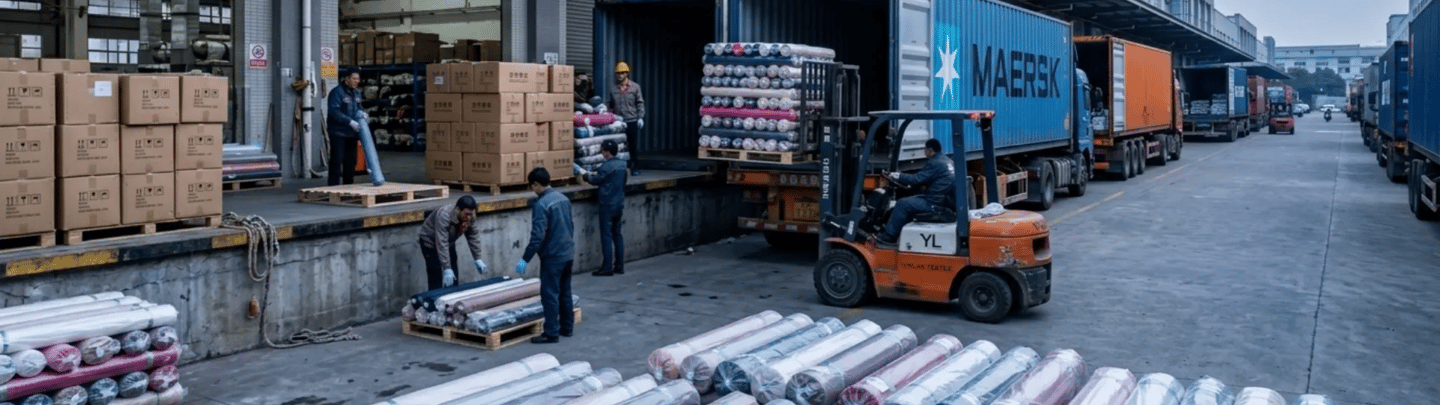
At first glance, the price difference between two fabrics may seem very small:
Sometimes only $0.10–$1.00 per meter
Occasionally even less
But in real garment production, that small difference often determines whether a collection becomes:
Smooth and profitable
orA nonstop chain of hidden problems, delays, and unexpected costs
For many apparel brands, the true cost of fabric is not the invoice price.
The real cost appears later:
During production
During washing tests
During bulk delivery
During customer complaints
During returns and reputation damage
This is why experienced product developers often say:
“Good fabric is expensive once. Cheap fabric becomes expensive repeatedly.”
1. Why Some Fabrics Cost More Than Others
Many buyers assume fabric pricing is mainly about:
Fiber composition
Fabric weight
Surface appearance
But in reality, high-quality functional fabrics involve far more invisible engineering.
The price difference often comes from:
Stable yarn quality
Better dye consistency
Higher weaving precision
Stronger coating adhesion
More reliable finishing technology
Strict quality control systems
Testing standards and compliance management
What you are paying for is not just fabric.
You are paying for:
Stability, consistency, reliability, and reduced production risk.
2. The Hidden Problems Cheap Fabrics Create Later
A lower fabric price may look attractive during sourcing.
But many problems only appear after garment production begins.
Problem 1 — Unstable Color Between Batches
Low-cost fabrics often suffer from:
Dye lot inconsistency
Shade variation
Uneven color absorption
This creates serious issues during:
Bulk cutting
Garment matching
Repeat orders
For brands, inconsistent color immediately damages:
Product professionalism
Retail presentation
Brand identity
Problem 2 — Fabric Shrinkage After Washing
Some low-priced fabrics pass initial inspection but fail during garment washing tests.
This leads to:
Size instability
Garment deformation
Return claims
Production delays
The cost of reworking garments is often far higher than the original fabric savings.
Problem 3 — Coating & Lamination Failure
In functional fabrics, cheaper production often means:
Weak coating adhesion
Lower-quality PU systems
Poor lamination bonding
After several washing cycles, problems begin:
Peeling
Bubbling
Delamination
Loss of waterproof performance
For outdoor apparel brands, this can become a major reputation issue.
Problem 4 — Sewing & Production Difficulties
Cheap fabrics frequently create hidden factory problems:
Fabric slipping during cutting
Needle marks
Unstable stretch recovery
Excessive seam puckering
This slows down production efficiency and increases:
Labor cost
Rejection rate
Production stress
Many brands underestimate how much production efficiency affects total cost.
3. The Real Difference Is Often Only $0.10–$1.00
This is the most important reality in apparel sourcing.
In many projects, the difference between:
A stable, reliable fabric
andA problematic low-cost fabric
is surprisingly small.
Sometimes:
Only $0.10 per meter
Sometimes $0.30
Sometimes less than $1.00
But that small difference may save:
Weeks of production delays
Rejected garments
Customer complaints
Brand reputation damage
Emergency air shipping costs
Re-development expenses
In other words:
The cheapest fabric price often creates the highest hidden operational cost.
4. Why Experienced Apparel Brands Prioritize Stability Over Price
Mature apparel brands understand something many new buyers overlook:
Predictability is more valuable than temporary savings.
A reliable fabric supplier helps reduce:
Development risk
Production uncertainty
Compliance problems
Delivery pressure
Good fabric engineering creates:
Better sewing performance
Stable bulk production
Consistent garment quality
Easier factory management
This indirectly saves:
Time
Labor
Communication cost
Management energy
5. Fabric Is Not Just a Material — It Is a Production System
Many sourcing discussions focus only on:
Price per meter
But professional apparel development focuses on:
Total production stability
A fabric affects:
Cutting efficiency
Sewing performance
Washing results
Final garment appearance
Long-term durability
Customer satisfaction
This is why premium brands rarely choose fabric based only on the lowest quotation.
6. How YL Textile Helps Brands Reduce Hidden Costs
At YL Textile, we believe functional fabric value is not only about specifications.
It is about:
Consistency
Production reliability
Long-term garment performance
Reduced operational stress for apparel brands
👉 Explore our fabric capabilities:
https://www.yl-fabric.com/
👉 Read more textile insights here:
https://www.yl-fabric.com/fabric-trends-for-apparel-brands-in-2026
Our development approach focuses on:
Stable bulk production quality
Reliable coating and lamination systems
Strict color consistency control
Better sewing adaptability
Export-market durability standards
We help brands avoid:
Hidden production losses
Fabric-related delays
Costly redevelopment cycles
7. The Industry Is Changing: “Lowest Price” Is No Longer the Smartest Strategy
Today’s apparel market is different from 10 years ago.
Brands now face:
Faster delivery expectations
Higher customer quality standards
Sustainability compliance pressure
More competitive retail environments
Under these conditions:
Stability becomes more valuable than small upfront savings.
The future belongs to suppliers who can provide:
Reliable quality
Technical support
Consistent production performance
Long-term partnership value
Conclusion
A higher fabric price does not automatically mean better quality.
But extremely low prices often hide:
Production risks
Inconsistent quality
Long-term operational costs
In real apparel manufacturing, the difference between success and failure is often not design.
It is the stability of the fabric system behind the garment.
And in many cases, solving those problems costs far more than the original fabric savings ever did.
FAQ (For Apparel Brands & Product Developers)
1. Why do some fabrics cost significantly more?
Because higher-quality fabrics usually involve better yarns, dyeing consistency, finishing technology, and quality control systems.
2. Is cheaper fabric always lower quality?
Not always, but extremely low-cost fabrics often create higher long-term production risks.
3. What hidden costs can poor-quality fabric create?
Production delays, garment rejection, washing failures, customer complaints, and brand reputation damage.
4. Why is fabric stability important for apparel brands?
Stable fabrics improve production efficiency, reduce defects, and ensure consistent garment quality.
5. How can brands reduce fabric-related production risks?
By working with experienced textile suppliers that prioritize consistency, engineering, and long-term reliability instead of only price competition.
Connect with YL Textile
LinkedIn: https://www.linkedin.com/in/ylfabric/
WhatsApp: https://wa.me/8613535457198
Telegram: https://t.me/yl_fabric
Facebook: https://www.facebook.com/yl.fabric/
Address
Office Hours
YL Textile
No. 999 Xihuan 2nd Rd.,
Shengze Town, Wujiang Dist.,
Suzhou, Jiangsu, China
Postal Code: 215228
Contact
Mon - Fri: 09:00 - 22:00
Sun: Closed