




TPU Membrane vs PU & PA Coating
In today’s apparel market, especially across outdoor, sportswear, and urban performance segments, fabric selection is no longer just about aesthetics—it directly impacts product performance, customer satisfaction, and brand reputation
Julia W
5/6/20263 min read
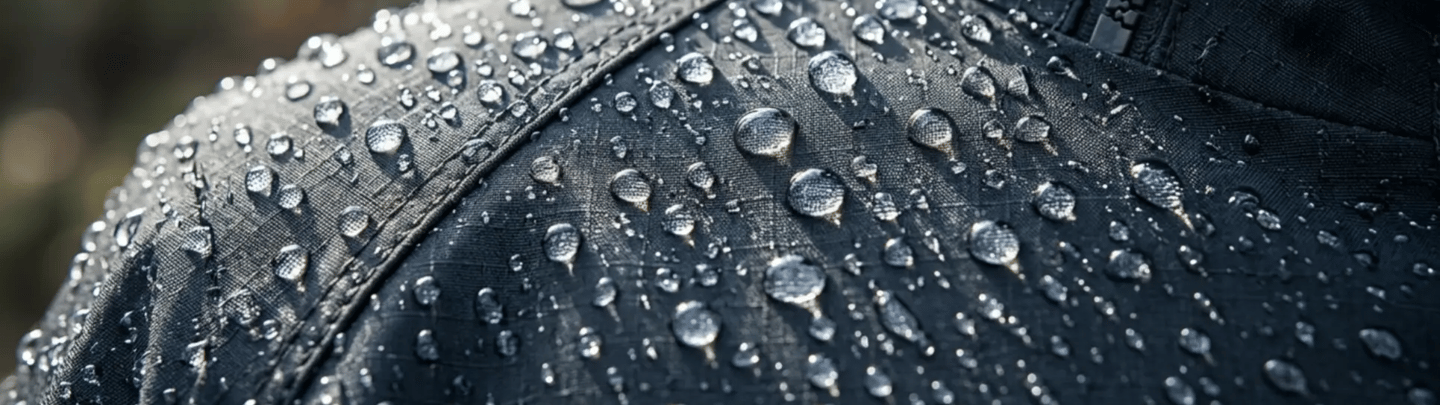
However, many brands still face confusion when choosing between TPU membranes, PU coatings, and PA coatings.
At first glance, all three can offer “water resistance” or “functional performance.”
But in reality, their structure, durability, breathability, and long-term reliability are fundamentally different.
This article breaks down those differences from an apparel development perspective, helping you make the right decision for your next collection.
1. The Real Problem: Why Fabric Selection Often Goes Wrong
From our experience working with global apparel brands, the most common issues are:
Jackets that are waterproof on paper but uncomfortable in real wear
Fabrics that delaminate or degrade after washing
Products that perform well in one market but fail in another climate
Difficulty balancing cost vs performance vs durability
These problems usually come from choosing the wrong technology at the material stage.
2. Understanding the Core Technologies
TPU Membrane (Thermoplastic Polyurethane Film)
TPU membranes are typically laminated onto woven fabrics, forming a multi-layer functional system.
They are engineered to deliver:
High-level waterproof protection (hydrostatic resistance)
Excellent moisture vapor transmission (breathability)
Strong elastic recovery and flexibility
Superior resistance to hydrolysis and environmental stress
This makes TPU ideal for high-performance outerwear and technical garments.
PU Coating (Polyurethane Coating)
PU coating is applied as a liquid layer directly onto the fabric surface.
It offers:
Reliable water resistance at a competitive cost
A relatively soft handfeel
Broad usability across fashion and entry-level functional garments
However, compared to laminated systems, PU coatings may face:
Gradual performance degradation over time
Reduced durability under frequent washing or humid conditions
PA Coating (Polyamide Coating)
PA coating is mainly used to enhance fabric structure rather than provide full waterproofing.
Its role includes:
Improving abrasion resistance
Enhancing fabric stability and surface texture
Providing basic water repellency
It is commonly used in lightweight garments or as a supportive functional layer.
3. Key Differences That Matter for Apparel Brands
Instead of looking at materials in isolation, brands should evaluate them based on end-use performance:
Waterproof capability: TPU leads, PU follows, PA is limited
Breathability: TPU provides the best balance for active wear
Durability: TPU laminated systems outperform coatings over time
Flexibility & comfort: TPU > PU > PA
Cost efficiency: PU and PA are more budget-friendly
👉 The key is not “which is better,” but which is right for your product positioning.
4. How to Choose Based on Your Product Line
For high-performance outdoor and technical apparel
When comparing TPU membrane vs PU coating waterproof fabric performance, TPU consistently delivers:
More stable waterproof ratings
Better breathability during movement
Longer lifecycle in extreme conditions
This is why TPU is widely used in:
Skiwear
Mountaineering jackets
Performance sportswear
For fashion outerwear and commercial collections
If your focus is cost-effective waterproof solutions, PU coating offers:
Good balance between price and performance
Suitable protection for light rain and daily wear
Easier scalability for large-volume production
This makes it ideal for:
Urban jackets
Rainwear
Fast-fashion outerwear
For lightweight and structural applications
If you are sourcing breathable textile solutions for outdoor jackets with structural support, PA coatings can be used:
As a reinforcement layer
To improve durability and fabric stability
In combination with other functional systems
TPU Film vs Polyurethane Coating: What Brands Often Overlook
A frequent sourcing question is the difference between TPU film and polyurethane coating in performance fabrics.
The real difference lies in:
Construction method (lamination vs coating)
Long-term performance stability
Resistance to washing, flexing, and climate exposure
For brands targeting premium positioning and export markets, TPU-based systems usually provide more consistent results.
5. YL Textile Solution: From Fabric Supply to Fabric Engineering
At YL Textile, we work beyond standard fabric supply.
We help brands engineer the right functional fabric system based on end use, price point, and market requirements.
👉 Explore our capabilities:
https://www.yl-fabric.com/
👉 Read more about future fabric direction:
https://www.yl-fabric.com/fabric-trends-for-apparel-brands-in-2026
What we offer:
TPU laminated woven fabrics for high-performance apparel
Optimized PU coating solutions for commercial collections
Hybrid constructions combining durability and comfort
Custom development based on target market (EU / US / Middle East)
Our goal is simple:
👉 Help you avoid costly development mistakes and build reliable, scalable fabric solutions.
6. Application Scenarios Summary
TPU Membrane → Technical outerwear, skiwear, performance sportswear
PU Coating → Urban fashion, rainwear, commercial outerwear
PA Coating → Lightweight garments, reinforcement layers, structural fabrics
7. Conclusion: The Right Technology Depends on Your Product Strategy
There is no one-size-fits-all solution.
If your priority is performance and durability, choose TPU
If your focus is cost and scalability, choose PU
If you need supporting structure and lightweight enhancement, choose PA
The key is aligning fabric technology with your brand positioning and target customer expectations.
8. FAQ (For Apparel Brands & Product Developers)
1. Which option is best for high-end outdoor jackets?
TPU laminated fabrics are the preferred choice due to their superior waterproofing, breathability, and durability.
2. Is PU coating sufficient for export markets?
It depends on the target market. For mild climates and fashion use, yes. For harsh environments, TPU is recommended.
3. Can PA coating be used alone for waterproof garments?
No. PA coating provides water resistance but is not suitable for full waterproof performance.
4. Why do some coated fabrics fail after washing?
This is often due to low-quality coating formulations or weak bonding, especially in PU systems.
5. How can we balance cost and performance?
By selecting the right combination of:
Fabric base
Coating/lamination technology
Target performance level
Working with an experienced supplier can significantly reduce trial-and-error costs.
Connect with YL Textile
If you are developing your next collection and need reliable fabric solutions, feel free to connect with us:
LinkedIn: https://www.linkedin.com/in/ylfabric/
WhatsApp: https://wa.me/8613535457198
Telegram: https://t.me/yl_fabric
Facebook: https://www.facebook.com/yl.fabric/
Instagram: https://www.instagram.com/yl_fabric/
Address
Office Hours
YL Textile
No. 999 Xihuan 2nd Rd.,
Shengze Town, Wujiang Dist.,
Suzhou, Jiangsu, China
Postal Code: 215228
Contact
Mon - Fri: 09:00 - 22:00
Sun: Closed