




The Hidden Problem Behind Breathable Fabrics: Why Some Jackets Still Feel Hot
In today’s outdoor and sportswear market, “breathable fabric” has become one of the most heavily promoted product features
Julia W
5/10/20264 min read
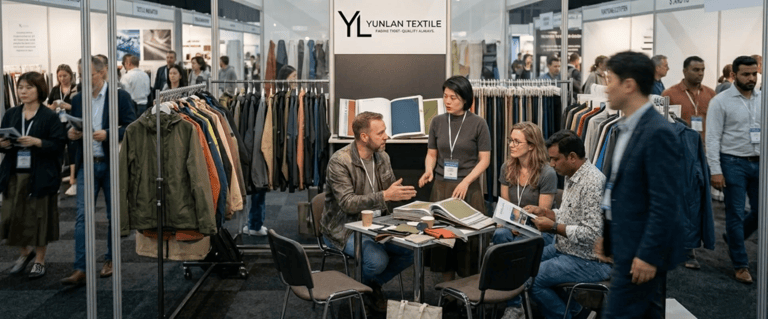
In today’s outdoor and sportswear market, “breathable fabric” has become one of the most heavily promoted product features.
Almost every jacket claims:
Advanced breathability
Moisture management technology
High-performance comfort
Professional outdoor functionality
Yet consumers still complain about the same problems:
Feeling hot during movement
Sweat accumulation inside the garment
Sticky inner layers
Condensation buildup
Heavy wearing sensation after activity
This creates a frustrating experience for both:
Consumers
andApparel brands
Because from the customer’s perspective:
“If the jacket is breathable, why does it still feel so hot?”
The reality is that many breathable fabrics are only optimized for laboratory testing—not for real human movement and outdoor conditions.
And in many cases, the root issue begins with:
Incorrect fabric engineering decisions during development.
Breathability Is More Complex Than Most Brands Realize
Many apparel buyers assume breathability simply means:
“Air can pass through the fabric.”
But in professional textile engineering, breathability involves multiple performance systems working together:
Moisture vapor transmission (MVTR)
Air permeability
Heat regulation
Sweat evaporation efficiency
Fabric structure
Membrane technology
Inner surface moisture diffusion
A jacket can technically pass breathability testing while still feeling uncomfortable during actual wear.
This is one of the biggest hidden problems in modern outdoor apparel development.
Why Some “Breathable” Jackets Still Trap Heat
The answer is surprisingly simple:
Many fabrics are engineered to achieve marketing specifications instead of real comfort performance.
A fabric may achieve:
High waterproof ratings
Technical-looking specifications
Competitive pricing
But still fail in real movement conditions because the fabric system cannot efficiently manage:
Body heat
Sweat vapor
Humidity buildup inside the garment
Problem 1 — Waterproof Prioritized Over Breathability
One of the most common industry mistakes is over-focusing on waterproof performance.
Many low-cost coated fabrics achieve strong hydrostatic resistance by using:
Thick PU coatings
Dense barrier layers
Low-cost membrane constructions
While this improves waterproof numbers, it often blocks:
Moisture vapor escape
Heat transfer efficiency
Internal airflow balance
The result:
Sweat remains trapped inside
Humidity builds rapidly
The garment feels hot and uncomfortable
Consumers then assume the jacket has poor quality—even if laboratory data appears acceptable.
Problem 2 — Poor Moisture Management Inside the Garment
Breathability is not only about the outer shell.
It also depends on how moisture moves through the entire garment system.
Low-quality breathable fabrics often fail to properly manage:
Sweat diffusion
Internal condensation
Surface evaporation speed
As activity increases, moisture accumulates faster than the fabric can release it.
This creates:
Wet inner surfaces
Sticky skin contact
Thermal discomfort during movement
In sportswear and outdoor apparel, poor moisture management quickly destroys wearing comfort.
Problem 3 — Low-Cost Membrane Systems Create Performance Imbalance
Modern breathable outdoor jackets often rely on:
TPU membranes
PU membranes
Multi-layer laminated constructions
However, not all membrane systems perform equally.
Cheaper membrane constructions frequently suffer from:
Low MVTR efficiency
Inconsistent pore structures
Weak long-term durability
Reduced flexibility after washing
The result is a jacket that initially feels functional but gradually loses comfort performance over time.
Problem 4 — Fabric Structure Directly Affects Heat Retention
Many brands focus only on membrane technology while ignoring the role of fabric construction itself.
In reality, factors such as:
Yarn density
Weave structure
Surface texture
Fabric thickness
Inner layer friction
all influence:
Heat buildup
Air circulation
Sweat evaporation efficiency
For example:
An extremely dense woven fabric may improve wind resistance but also reduce thermal release efficiency during high activity.
This is why true breathable fabric engineering requires balancing:
Protection
Comfort
Moisture transfer
Thermal regulation
Why Cheap Breathable Fabrics Often Create Expensive Problems
At sourcing stage, the price difference between breathable fabrics may appear very small.
Sometimes:
Only $0.20–$1.00 per meter
But lower-cost fabrics often create significant hidden costs later through:
Consumer complaints
Product returns
Reduced customer satisfaction
Lower repeat purchase rates
Retail reputation damage
Many brands underestimate how strongly comfort performance affects customer loyalty.
Consumers may not understand:
MVTR values
Lamination systems
Textile engineering
But they immediately understand:
“This jacket feels uncomfortable.”
And that feeling directly affects brand perception.
Real Outdoor Comfort Requires Fabric System Engineering
Professional breathable outdoor fabric development is not based on one single technology.
It requires the integration of:
High-efficiency moisture management textile systems
Balanced air permeability control
Stable membrane technology
Lightweight fabric structures
Functional textile engineering optimization
This is why premium performance sportswear fabrics often feel dramatically different from lower-cost alternatives—even when specifications appear similar on paper.
How YL Textile Helps Apparel Brands Solve Breathability Problems
At YL Textile, we believe breathable performance should be engineered for:
Real human movement, not just laboratory data.
Our functional textile development focuses on:
Moisture management efficiency
Breathable fabric technology optimization
Lightweight comfort engineering
Stable TPU membrane systems
Long-term washing durability
Balanced waterproof and breathable performance
We help apparel brands reduce:
Hidden production risks
Consumer comfort complaints
Fabric instability problems
Costly redevelopment cycles
Most importantly:
We help brands create garments consumers genuinely enjoy wearing.
Because in modern outdoor apparel:
Comfort drives customer loyalty
Breathability affects user experience
Reliable fabric engineering reduces invisible operational cost
The Industry Is Moving Toward Smarter Breathability
The future of breathable outdoor jackets is no longer about:
Thick heavy coatings
Over-engineered waterproof barriers
Marketing specifications alone
Consumers increasingly prefer:
Lightweight comfort
Quiet fabrics
Faster moisture release
More natural wearing sensations
The next generation of functional textile engineering is becoming:
Lighter
Smarter
More movement-oriented
More comfort-focused
Conclusion
A breathable outdoor jacket should not only protect against weather.
It should also:
Regulate heat
Release moisture efficiently
Maintain comfort during movement
Perform consistently over time
Unfortunately, many low-cost breathable fabrics fail because they prioritize:
Pricing
Laboratory specifications
overReal human comfort performance
And in many cases, the original savings are extremely small:
Sometimes only a few cents per meter
Yet the hidden costs later become enormous:
Customer dissatisfaction
Product returns
Reputation damage
Development stress
This is why more apparel brands are now prioritizing:
Stability, comfort engineering, and long-term fabric reliability over short-term price competition.
Because ultimately:
A high-performance jacket should feel comfortable in real life—not only inside a testing laboratory.
FAQ (For Apparel Brands & Product Developers)
1. Why do some breathable jackets still feel hot?
Because many fabrics focus on waterproof performance while failing to efficiently manage heat and moisture transfer.
2. What affects breathability in outdoor fabrics?
Breathability depends on membrane systems, fabric structure, moisture management, air permeability, and thermal regulation.
3. Is waterproof fabric always less breathable?
Not necessarily. High-quality engineered systems can balance waterproofness and breathability effectively.
4. Why do cheap breathable fabrics often fail?
Low-cost fabrics frequently use weaker membrane systems and less stable moisture management engineering.
5. How can apparel brands improve breathable comfort performance?
By working with experienced functional textile suppliers focused on real-world comfort engineering and long-term fabric stability.
WhatsApp:
https://wa.me/86135457198
English Website:
https://www.yl-fabric.com
German Website:
https://www.yl-fabric.com/de
Russian Website:
https://www.yl-fabric.com/ru
Address
Office Hours
YL Textile
No. 999 Xihuan 2nd Rd.,
Shengze Town, Wujiang Dist.,
Suzhou, Jiangsu, China
Postal Code: 215228
Contact
Mon - Fri: 09:00 - 22:00
Sun: Closed