




Why Fabrics Fail: 5 Common Fabric Quality Problems Buyers Should Understand
Learn why waterproof fabrics fail after washing, why bulk fabric color fades, why fabric shrinks, why stretch recovery becomes poor, and how buyers can avoid fabric quality problems before bulk production. 1. fabric failure problems 2. bulk fabric quality control 3. fabric quality issues
TECHNICAL EXCHANGE
Julia W
4/30/20269 min read
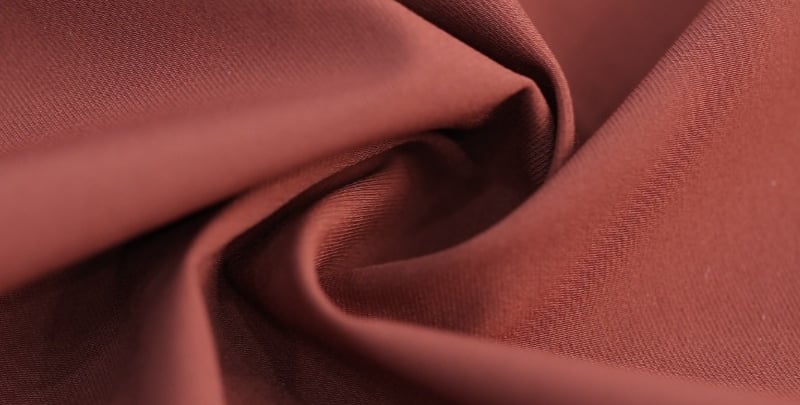
Why Fabrics Fail: 5 Common Fabric Quality Problems Buyers Should Understand
In apparel production, fabric quality does not only depend on how good a sample looks in the showroom.
A fabric may look beautiful at first, but problems can appear after washing, garment production, finishing, packing, shipment, or real consumer use. For apparel brands, these problems can lead to delayed delivery, customer complaints, rejected goods, and unexpected costs.
This is especially important for functional and performance woven fabrics, such as waterproof fabrics, stretch fabrics, breathable fabrics, outdoor fabrics, and easy-care fabrics.
At YL Textile, we often see that many fabric problems are not caused by one single mistake. They usually come from a combination of fiber selection, weaving construction, dyeing, finishing, coating, lamination, washing conditions, and poor bulk production control.
In this guide, we explain five common fabric failure problems that apparel buyers should understand before placing bulk orders.
1. Why Waterproof Fabrics Fail After Washing
Waterproof or water-repellent fabric failure after washing is one of the most common problems in outdoor apparel, rainwear, softshell jackets, and performance garments.
Many buyers believe that if water beads on the fabric surface during the first test, the fabric is waterproof. But in real use, water repellency and waterproof performance are different.
A fabric may have good initial water repellency, but after repeated washing, abrasion, detergent exposure, or heat, the water-repellent effect may become weaker.
Common reasons waterproof fabrics fail after washing
The first reason is poor durability of the water-repellent finish. Some fabrics only have a light surface treatment. They may show good water beading at the beginning, but the finish can be reduced after washing or rubbing.
The second reason is unsuitable coating or lamination. For waterproof fabrics, PU coating, TPU lamination, or other membrane systems must be selected according to the final garment application. A fabric for light citywear does not need the same performance as a fabric for outdoor jackets or rainwear.
The third reason is poor compatibility between the base fabric and finishing process. If the fabric construction, yarn type, density, or surface texture is not suitable, the finishing effect may not be stable.
The fourth reason is incorrect garment care. Strong detergents, high-temperature washing, dry cleaning, or repeated tumble drying may reduce the water-repellent performance.
What buyers should check
Before bulk production, buyers should not only check the appearance of water droplets. They should also confirm:
Water-repellent grade before and after washing
Hydrostatic pressure test if waterproof performance is required
Coating or lamination type
Washing durability requirement
Fabric application: jacket, pants, rainwear, softshell, or casual outerwear
PFAS-free or C0 DWR requirement if selling to sensitive markets
For performance apparel, buyers should not only ask: “Is this fabric waterproof?”
A better question is:
“What level of water resistance does this fabric need after washing and real use?”
2. Why Fabric Color Fades After Bulk Production
Color fading is another serious issue in apparel production. A fabric may look correct during sampling, but after bulk production or garment washing, the color may become lighter, uneven, or unstable.
This can be a major problem for fashion brands, outdoor brands, uniforms, workwear, and sportswear.
Common reasons fabric color fades
The first reason is poor dye selection. Different fibers require different dye systems. Polyester, nylon, cotton, rayon, and blended fabrics do not react the same way during dyeing.
The second reason is poor color fastness control. Color fastness includes washing fastness, rubbing fastness, perspiration fastness, light fastness, and sometimes water fastness or seawater fastness, depending on the garment use.
The third reason is unstable dyeing process control. Temperature, time, pH value, dye concentration, and post-treatment all affect the final color result.
The fourth reason is the difference between lab dip and bulk dyeing. A lab dip is made in a small batch, while bulk dyeing is done in larger production machines. Without strict control, bulk color may deviate from the approved standard.
The fifth reason is finishing influence. Some coatings, softeners, water-repellent treatments, anti-static finishes, or easy-care finishes may slightly affect color shade or hand feel.
What buyers should check
Before approving bulk production, buyers should confirm:
Lab dip approval standard
Light source for color checking
Color tolerance requirement
Washing fastness
Dry and wet rubbing fastness
Perspiration fastness if used for sportswear
Light fastness if used for outdoor apparel
Bulk shade band control
For dark colors, bright colors, nylon fabrics, cotton blends, and garment-washed products, color fastness should be checked more carefully.
A stable supplier should not only match the color visually. They should also understand how the color will perform after washing, rubbing, finishing, and garment use.
3. Why Fabric Shrinks After Garment Washing
Fabric shrinkage can affect garment size, fit, pattern shape, seam position, and customer satisfaction.
For apparel brands, shrinkage problems often appear too late. The fabric may pass visual inspection, but after garment washing or consumer washing, the final garment becomes shorter, tighter, twisted, or distorted.
Common reasons fabric shrinks
The first reason is fiber behavior. Natural fibers and regenerated fibers, such as cotton, rayon, viscose, and some blended yarns, may shrink more easily than synthetic fibers if not properly controlled.
The second reason is fabric construction. Loose woven fabrics may have more movement during washing. High-density fabrics may be more stable, but finishing and mechanical stress can still affect shrinkage.
The third reason is insufficient pre-shrinking or finishing stabilization. If the fabric is not properly relaxed, heat-set, compacted, or finished, shrinkage may appear after garment washing.
The fourth reason is elastic yarn behavior. Stretch fabrics with spandex or other elastic yarns need proper heat setting. If the elastic yarn is not stabilized, the fabric may shrink or deform after washing.
The fifth reason is garment washing conditions. High temperature, heavy washing, enzyme wash, stone wash, tumble drying, and special garment treatments can all increase shrinkage risk.
What buyers should check
Before bulk production, buyers should confirm:
Fabric shrinkage after washing
Washing method and temperature
Width shrinkage and length shrinkage
Spirality or twisting risk
Heat-setting process for stretch fabrics
Garment washing requirement
Final garment size tolerance
For pants, uniforms, workwear, and stretch casualwear, shrinkage control is especially important.
Buyers should not only ask for fabric width and weight. They should also ask:
“How stable is this fabric after the washing method used by the final garment?”
4. Why Stretch Fabric Loses Recovery After Use
Stretch fabric is widely used in sportswear, outdoor pants, casual pants, uniforms, women’s trousers, and performance apparel.
However, some stretch fabrics look good when new but lose recovery after wearing or washing. The garment may become loose at the knee, hip, elbow, or waist area.
This is a serious problem because stretch fabric is not only about stretch percentage. Recovery is equally important.
Common reasons stretch recovery becomes poor
The first reason is poor elastic yarn quality. If the spandex, elastane, or other elastic yarn is not suitable for the application, the fabric may stretch but not recover well.
The second reason is incorrect elastic yarn content. Too little elastic yarn may not provide enough stretch and recovery. Too much elastic yarn may increase cost or affect hand feel, depending on the fabric design.
The third reason is poor heat-setting control. Stretch fabrics need proper heat setting to stabilize elasticity, width, shrinkage, and recovery.
The fourth reason is unsuitable fabric construction. Weft stretch, warp stretch, and 4-way stretch fabrics behave differently. The fabric construction must match the final garment pattern and movement requirement.
The fifth reason is finishing damage. Dyeing, coating, lamination, high-temperature finishing, or chemical treatment may damage elastic performance if not properly controlled.
What buyers should check
Before bulk production, buyers should confirm:
Stretch percentage
Elastic recovery
Growth after stretching
Shrinkage after washing
Fabric direction: weft stretch, warp stretch, or 4-way stretch
Heat-setting condition
Final application: pants, jacket, sportswear, uniform, or outdoor garment
For stretch fabrics, appearance alone is not enough. A buyer should check whether the fabric can return to shape after repeated movement.
A good stretch fabric should provide comfort, movement, and shape retention.
5. Why Bulk Fabric Feels Different from Approved Sample
One of the most frustrating problems for apparel buyers is when the approved sample feels correct, but the bulk fabric feels different.
The color may be close, but the hand feel, thickness, softness, stiffness, stretch, surface texture, or drape may change.
This problem is very common in customized woven fabrics and functional fabrics.
Common reasons bulk fabric feels different
The first reason is different raw material batches. Even when the composition is the same, yarn count, yarn twist, filament type, or fiber batch may affect hand feel.
The second reason is different weaving tension. Loom setting, density, and weaving tension can affect fabric surface, firmness, stretch, and drape.
The third reason is finishing variation. Softener, water-repellent finish, coating, lamination, brushing, sanding, calendering, and heat setting can all change the final hand feel.
The fourth reason is weight or density variation. If GSM, yarn count, or fabric density changes slightly, the fabric may feel different.
The fifth reason is sample source mismatch. Sometimes the sample is made from stock fabric, previous production, or a small development batch, while the bulk is produced later with different materials or finishing conditions.
What buyers should check
Before bulk production, buyers should confirm:
Approved sample standard
Composition
Yarn specification
Construction
GSM
Width
Finishing process
Hand feel requirement
Stretch and recovery
Coating or lamination details
Pre-production sample before bulk
The most important rule is simple:
Bulk production must be controlled against the approved standard, not only against a general product description.
For professional fabric sourcing, “similar” is not enough. Buyers need controlled standards.
How Buyers Can Reduce Fabric Failure Risk
Fabric problems cannot always be solved after bulk production is finished. The best way is to reduce risk before mass production begins.
Here are several practical steps buyers can take.
1. Define the final garment application clearly
A fabric for casual fashion outerwear is not the same as a fabric for outdoor hiking jackets.
Before development, buyers should clearly explain:
Garment type
Target market
Season
Washing method
Required performance
Price target
Compliance requirements
Expected hand feel and appearance
The more clearly the fabric application is defined, the easier it is to select the right construction and finishing process.
2. Confirm technical requirements before sampling
Many problems happen because buyers approve a sample only by appearance.
For functional fabrics, buyers should confirm technical requirements early, such as:
Waterproof level
Water-repellent durability
Breathability
Stretch and recovery
Shrinkage
Color fastness
Abrasion resistance
Tear strength
Pilling resistance
PFAS-free requirement
REACH or OEKO-TEX requirement
This helps avoid misunderstandings before bulk production.
3. Use lab dips and pre-production samples correctly
Lab dips help confirm color.
Pre-production samples help confirm fabric quality before bulk.
For important orders, buyers should not skip the pre-production sample, especially when the fabric involves:
New color
New finishing
Coating
Lamination
Stretch yarn
Special hand feel
Functional performance requirement
A pre-production sample allows both buyer and supplier to confirm quality before full production.
4. Test the fabric before shipment
Third-party testing can help reduce risk, especially for international buyers.
Depending on the fabric type, buyers may request tests such as:
Washing fastness
Rubbing fastness
Shrinkage
Water repellency
Hydrostatic pressure
Breathability
Abrasion resistance
Tear strength
Pilling resistance
PFAS-related testing
Chemical compliance testing
For high-value orders, testing before shipment is often much cheaper than solving problems after garments are made.
5. Work with a supplier who understands both fabric and production risk
A reliable fabric supplier should not only sell fabric.
They should help buyers understand risk before production.
For functional woven fabrics, the supplier should be able to discuss:
Fiber and yarn selection
Fabric construction
Dyeing control
Finishing process
Coating and lamination
Bulk quality consistency
Testing requirements
Lead time control
Cost risk
Compliance needs
This is especially important for outdoor apparel, sportswear, uniforms, casual pants, and performance fashion.
How YL Textile Supports Buyers
YL Textile focuses on functional and woven fabrics for outdoor, sportswear, casualwear, and fashion applications.
We support buyers with fabric development, sampling, bulk production, and quality control for a wide range of woven fabrics, including waterproof fabrics, breathable fabrics, stretch fabrics, durable fabrics, anti-static fabrics, UV-protection fabrics, quick-dry fabrics, and easy-care fabrics.
Our goal is not only to provide fabric, but to help apparel brands reduce quality risk before bulk production.
We support buyers through:
Fabric development based on garment application
Lab dip and sample yardage support
Greige fabric and production planning
Bulk quality control
Color and hand feel control
Functional finishing support
Coating and lamination solutions
Third-party inspection and testing support when required
For apparel brands, a good fabric partner should help answer one key question:
Will this fabric still perform correctly after production, washing, shipment, and real use?
That is the real test of fabric quality.
Conclusion
Fabric failure is not only a quality problem. It is also a sourcing problem, a communication problem, and a production control problem.
Waterproof fabrics may fail after washing.
Bulk colors may fade or deviate from the approved standard.
Garments may shrink after washing.
Stretch fabrics may lose recovery after use.
Bulk fabric may feel different from the approved sample.
Most of these problems can be reduced if buyers define the application clearly, confirm technical requirements early, approve correct samples, and work with a supplier who understands fabric development and bulk production control.
For apparel brands, the best fabric is not only the one that looks good at first.
The best fabric is the one that performs consistently from sample to bulk, from production to final use.
FAQ
FAQ 1: Why do waterproof fabrics lose water repellency after washing?
Waterproof or water-repellent fabrics may lose performance after washing because of weak surface finishing, unsuitable coating or lamination, detergent exposure, abrasion, high washing temperature, or poor compatibility between the base fabric and finishing process.
FAQ 2: Why does bulk fabric color look different from the approved lab dip?
Bulk fabric color may differ from the lab dip because lab dips are made in small batches, while bulk dyeing uses larger machines. Dyeing temperature, time, pH value, finishing process, fabric batch, and color checking conditions can all affect final color.
FAQ 3: How can buyers avoid fabric shrinkage problems?
Buyers should confirm shrinkage test results before bulk production, including length and width shrinkage after washing. For stretch fabrics or garment-washed products, heat setting, finishing stability, and washing method should be checked carefully.
FAQ 4: What is more important for stretch fabric: stretch or recovery?
Both are important, but recovery is often more critical for garment performance. A fabric may stretch well at first, but if recovery is poor, the garment may become loose or lose shape after wearing.
FAQ 5: Why does bulk fabric feel different from the sample?
Bulk fabric may feel different because of raw material batch differences, weaving tension, GSM variation, finishing changes, coating or lamination differences, or lack of a clear approved standard. Buyers should confirm pre-production samples before bulk production.
Need help solving fabric quality problems before bulk production?
Contact YL Textile to discuss your fabric application, performance requirements, and sourcing challenges.
Contact Us
Address
Office Hours
YL Textile
No. 999 Xihuan 2nd Rd.,
Shengze Town, Wujiang Dist.,
Suzhou, Jiangsu, China
Postal Code: 215228
Contact
Mon - Fri: 09:00 - 22:00
Sun: Closed