




Why Apparel Brands Are Paying More Attention to Long-Term Fabric Performance — Not Just Initial Sales
For many apparel brands today, the biggest challenge is no longer simply increasing sales volume. Across Europe, North America, and global e-commerce markets, brands are facing a more complex issue: How to maintain customer satisfaction after the product has been delivered
Julia W
5/17/20264 min read
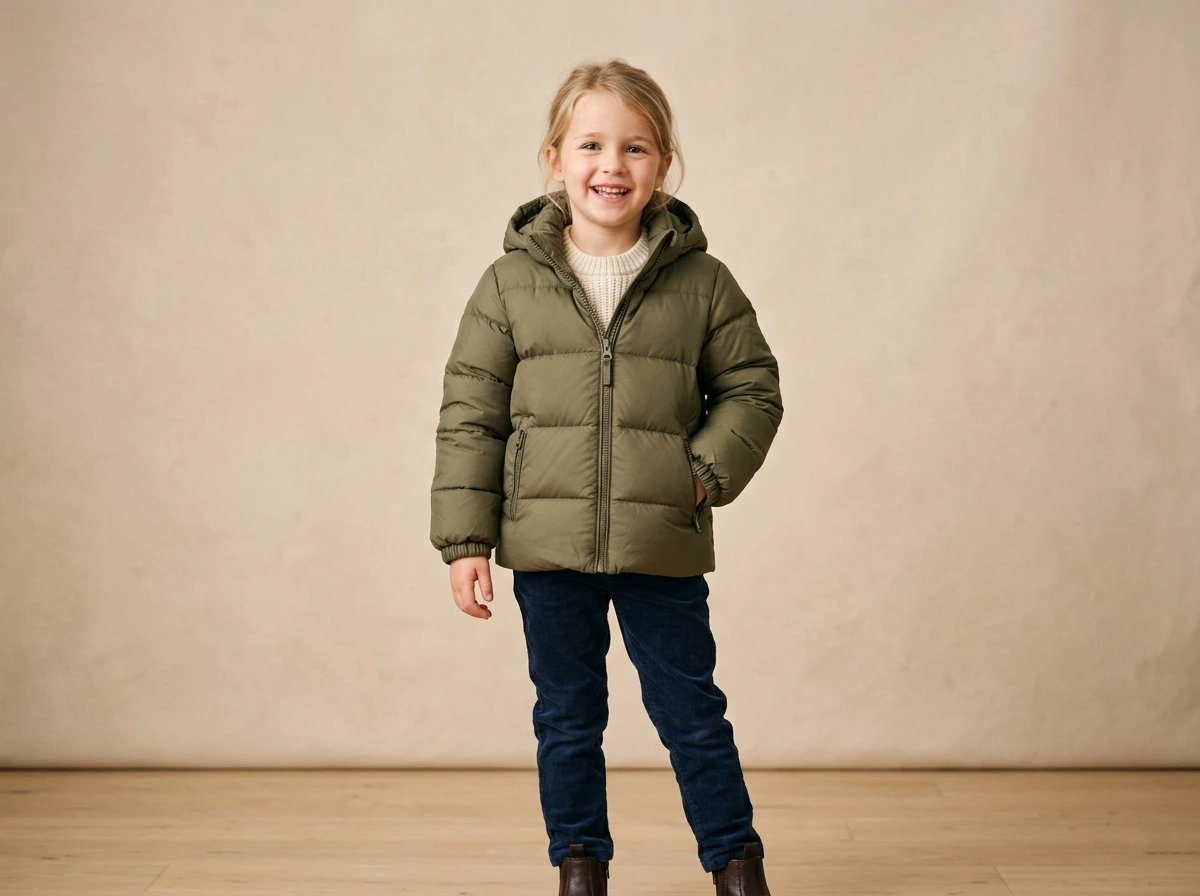
In the past, many garments were evaluated mainly based on:
Retail presentation
Product photography
First fitting appearance
Initial handfeel
However, consumer expectations have changed significantly.
Modern customers increasingly evaluate apparel based on:
Comfort during actual wear
Fit consistency
Fabric stability
Appearance retention
Long-term wearing experience
This shift is especially important in today’s online retail environment, where consumers cannot physically touch the garment before purchasing.
As a result, fabric quality and garment performance have become much more important to:
Customer reviews
Brand reputation
Repeat purchases
Long-term retention rates
The Real Financial Pressure Is Not Only Returns — It Is Also Customer Retention
Many discussions around e-commerce focus heavily on return rates. While returns are indeed a major operational challenge, the broader issue for apparel brands is often:
Customer disappointment after purchase.
In reality, most garments returned through major e-commerce platforms are typically:
Unworn
Unwashed
Returned shortly after fitting
This means many long-term fabric problems do not directly create returns themselves.
Instead, issues such as:
Poor wash durability
Shape deformation after laundering
Pilling
Reduced stretch recovery
Coating instability
Loss of water repellency
more commonly lead to:
Negative product reviews
Lower customer trust
Reduced repeat purchase rates
Long-term brand perception damage
For apparel companies, these consequences may become even more expensive than the original return logistics cost.
Why Product Experience Matters More Than Ever
The modern consumer journey has changed dramatically.
Today, customers often make purchasing decisions based on:
Social media marketing
Product videos
Influencer recommendations
E-commerce photography
Online reviews
But once the garment arrives, the actual fabric becomes the most important factor shaping the customer’s experience.
Consumers immediately evaluate:
Fabric handfeel
Softness
Breathability
Stretch comfort
Surface appearance
Overall quality perception
And after repeated wear and laundering, they begin evaluating:
Apparel fabric durability
Wash-after-performance stability
Shape retention
Pilling resistance
Functional textile reliability
This is why long-term product performance is becoming increasingly important in:
performance sportswear fabric development
outdoor apparel sourcing
stretch woven fabric engineering
sustainable apparel manufacturing
functional outerwear collections
Why Long-Term Fabric Stability Is Becoming a Competitive Advantage
Many garments perform well during:
Sampling
Showroom presentation
Initial fitting sessions
However, long-term customer satisfaction depends on whether the garment continues performing consistently over time.
Common concerns for apparel brands now include:
DWR durability after laundering
Stretch recovery consistency
Surface abrasion resistance
Dimensional stability
Lamination durability
Colorfastness performance
Consumers may not understand technical textile terminology such as:
hydrolysis resistance
recovery modulus
moisture vapor transmission
anti-pilling performance
But they immediately notice when:
The garment loses shape
The fabric surface deteriorates
The product no longer feels premium after washing
And in highly competitive online retail markets, these experiences strongly influence:
Review scores
Brand loyalty
Repurchase behavior
The Hidden Operational Cost of Unstable Fabric Quality
In apparel manufacturing, fabric cost is often evaluated primarily at sourcing stage.
However, experienced product developers increasingly understand that:
Long-term operational stability is often more important than small initial cost differences.
Unstable fabric systems may contribute to:
Repeated quality discussions
Customer complaints
Additional inspection pressure
Inventory inefficiency
Reduced product lifecycle value
Even relatively small quality inconsistencies may eventually affect:
Retail performance
Customer confidence
Brand positioning
This is particularly important for brands developing:
premium activewear
urban outdoor apparel
technical fashion collections
functional performance garments
Because in these categories, consumers expect:
Not only visual appearance, but also long-term wearing reliability.
Why More Apparel Brands Are Investing in Durability Testing
As competition increases, more global apparel brands are strengthening their focus on:
durability testing textile systems
wash-after-performance evaluation
long-term fabric stability
functional textile consistency
Many companies now conduct:
Multi-cycle laundering tests
Pilling resistance evaluation
Stretch recovery analysis
Waterproof durability testing
Abrasion resistance testing
The objective is no longer only:
“Can the product sell successfully?”
But increasingly:
“Will the customer remain satisfied after repeated use?”
This shift is becoming one of the most important trends in modern apparel product development.
How YL Textile Helps Apparel Brands Reduce Long-Term Product Risk
At YL Textile, we believe fabric development should support not only:
Initial product presentation
but alsoLong-term customer satisfaction.
Our functional textile engineering focuses on:
Stable wash durability
Consistent stretch recovery
Reliable coating performance
Functional textile stability
Bulk production consistency
Long-term apparel fabric durability
From:
L/D color approval
tofabric production
tofinal garment application
our goal is to help apparel brands reduce:
unnecessary operational stress
avoidable quality instability
redevelopment pressure
hidden supply chain costs
Most importantly:
We aim to help brands build products that customers continue trusting after repeated wear.
Because in today’s apparel industry:
Product consistency strengthens brand reputation
Stability improves customer confidence
Reliable fabrics support long-term business growth
The Industry Is Moving From “First Impression” to “Long-Term Experience”
For many years, apparel development focused heavily on:
Immediate visual appeal
Seasonal trends
Retail presentation
Today, brands increasingly recognize that long-term product experience has become equally important.
Consumers are paying more attention to:
Garment lifespan
Comfort retention
Wash durability
Sustainable consumption value
As a result, the future of apparel development is increasingly centered around:
Functional textile engineering
Durable performance fabrics
Long-term quality stability
Better post-purchase experience
Because ultimately:
Strong brands are not built only through marketing campaigns.
They are built through consistent customer satisfaction over time.
Conclusion
The modern apparel industry is changing rapidly.
Today’s successful brands are not only focused on:
Selling products quickly
but also on:
Maintaining customer trust after purchase.
While product returns remain an important operational issue, many long-term business challenges are more closely related to:
Product satisfaction
Review quality
Repeat purchasing behavior
Long-term brand reputation
This is why more apparel companies are increasingly prioritizing:
durable functional fabric sourcing
wash-after-performance testing
stable textile engineering
reliable supplier partnerships
Because in the end:
Long-term product consistency often creates far more value than short-term cost reduction alone.
FAQ (For Apparel Brands, Buyers & Product Developers)
1. Why are apparel brands focusing more on long-term fabric performance?
Because customer satisfaction increasingly depends on how garments perform after repeated wear and laundering—not only during initial purchase.
2. Do wash durability problems directly cause most returns?
Not always. Many returned garments are unworn or unwashed. However, poor long-term durability often contributes to negative reviews and lower repeat purchase rates.
3. Why is wash-after-performance testing becoming more important?
Because brands increasingly want to ensure garments maintain comfort, appearance, and functionality throughout the product lifecycle.
4. What types of fabric problems most affect customer satisfaction?
Common concerns include pilling, shape deformation, reduced stretch recovery, coating instability, and loss of functional performance after laundering.
5. How does YL Textile help reduce long-term product risk?
By focusing on stable functional textile engineering, consistent production systems, reliable wash durability, and long-term fabric performance stability.
#functionaltextiles
#apparelindustry
#performancefabric
#textileinnovation
#apparelsourcing
WhatsApp:
https://wa.me/8613535457198
Linkedln:
https://www.linkedin.com/in/ylfabric
English Website:
https://www.yl-fabric.com
German Website:
https://www.yl-fabric.com/de
Russian Website:
https://www.yl-fabric.com/ru
Address
Office Hours
YL Textile
No. 999 Xihuan 2nd Rd.,
Shengze Town, Wujiang Dist.,
Suzhou, Jiangsu, China
Postal Code: 215228
Contact
Mon - Fri: 09:00 - 22:00
Sun: Closed