




PFAS-Free Fabrics: Safer, Compliant, and Future-Ready
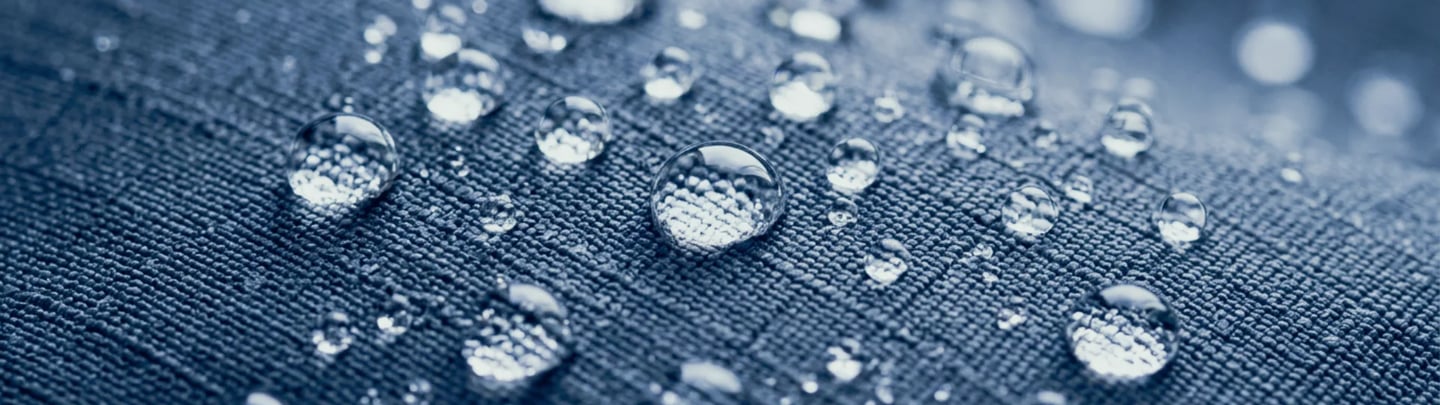
PFAS-free fabrics are textiles produced without the use of fluorinated chemicals, making them safer, environmentally compliant, and aligned with global regulations—especially in the European market. Unlike traditional water repellent finishes that rely on PFAS, modern PFAS-free technologies provide effective water resistance without harmful substances.
TECHNICAL EXCHANGE
Julia W
4/27/20262 min read
What Are PFAS in Fabrics?
PFAS (Per- and Polyfluoroalkyl Substances) are a group of chemicals traditionally used in textiles to achieve water, oil, and stain resistance.
They are widely known for their durability—but also for being:
Persistent in the environment
Difficult to degrade
Potentially harmful to human health
Because of these concerns, PFAS are being restricted or banned in many regions, especially in the European Union.
Why PFAS-Free Fabrics Matter
Global apparel brands are increasingly shifting to PFAS-free fabrics due to:
Regulatory pressure (EU REACH compliance)
Sustainability requirements
Consumer demand for safer products
PFAS-free fabrics are no longer optional—they are becoming the industry standard.
What Is PFAS-Free Water Repellent Fabric?
PFAS-free water repellent fabric uses alternative technologies (C0 DWR) to achieve water resistance without fluorinated chemicals.
Key Features:
Fluorine-free finishing
Safer for skin and environment
Compliant with EU regulations
Suitable for outdoor and urban apparel
Explore our PFAS-free and functional fabrics:
https://www.yl-fabric.com/cotton-nylon-stripe-fabric1
Common Problems with PFAS-Free Fabrics
Many buyers worry that PFAS-free fabrics may not perform as well as traditional options.
Typical Concerns:
Lower water repellency
Reduced durability after washing
Inconsistent finishing quality
Our Solution
At YL Textile, we address these challenges through a controlled production system:
Strict raw material screening (no fluorinated inputs)
Independent production processes to avoid contamination
PFAS-free DWR finishing technology
Fabric structure optimization for better performance
We do not rely only on chemical replacement—we redesign the entire process.
View our functional and coated fabrics:
https://www.yl-fabric.com/cotton-nylon-stripe-fabric
How We Ensure PFAS-Free Compliance
We apply multiple levels of control:
1. Raw Material Control
All chemicals, coatings, and auxiliaries are screened before use.
2. Process Isolation
No shared equipment with PFAS-related materials.
3. Clean Water Management
Avoid contamination from recycled industrial water.
4. Testing & Verification
Finished fabrics are tested to ensure PFAS-free compliance.
Applications of PFAS-Free Fabrics
PFAS-free fabrics are widely used in:
Outdoor jackets
Sportswear
Urban apparel
Lightweight functional garments
Explore fabric solutions for apparel brands:
https://www.yl-fabric.com/products
FAQ
What does PFAS-free mean in textiles?
It means the fabric is produced without using fluorinated chemicals such as PFOA, PFOS, or other PFAS substances.
Are PFAS-free fabrics waterproof?
PFAS-free fabrics can be water repellent, and when combined with coating or lamination, they can achieve waterproof performance.
Are PFAS-free fabrics less durable?
Modern PFAS-free technologies can provide good durability when properly engineered and processed.
Why are PFAS being banned?
Because they are persistent, bioaccumulative, and potentially harmful to human health and the environment.
How can I verify PFAS-free fabrics?
Through third-party testing and controlled production processes.
Address
Office Hours
YL Textile
No. 999 Xihuan 2nd Rd.,
Shengze Town, Wujiang Dist.,
Suzhou, Jiangsu, China
Postal Code: 215228
Contact
Mon - Fri: 09:00 - 22:00
Sun: Closed