




From Greige to Garment — Part 4: Fabric Inspection & Roll Packaging
Last time we covered heat-setting — how fabric dimensions are fixed and finishing chemistry is applied and cured. Today we move to the stage that stands between the dyehouse and the garment factory: fabric inspection and roll preparation. Every defect found in the inspection room is a complaint prevented in the garment factory.
Julia W
6/8/20264 min read
Before the inspection line starts: pre-inspection verification
Before a single meter of fabric passes through the inspection machine, the QC team carries out a structured pre-inspection check against the production order and the buyer's approved reference standard:
Batch number and order number verification — confirming the correct fabric is being inspected against the correct specification
Hand feel — assessed against the buyer's approved hand feel standard
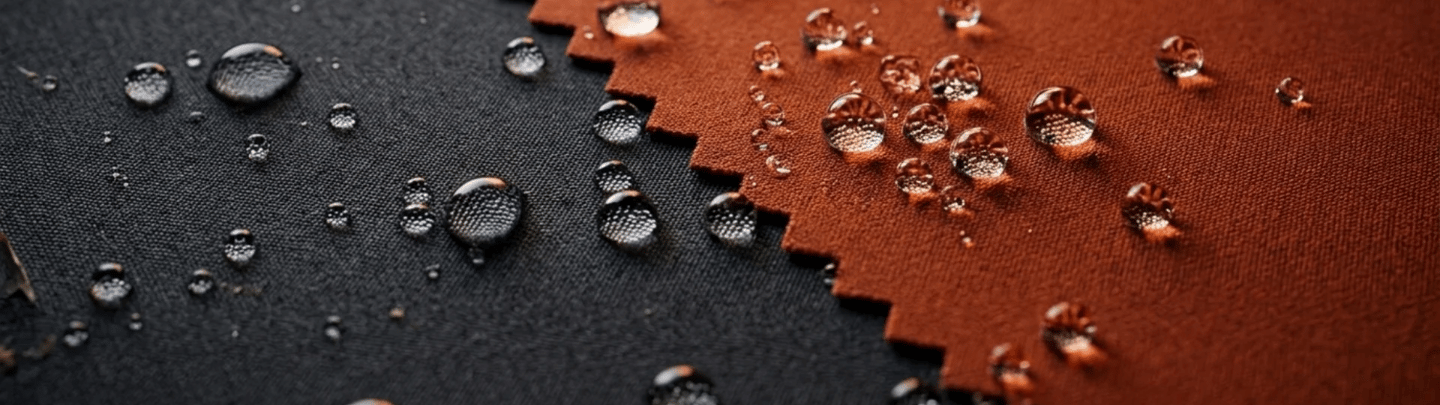
Functional performance — DWR, UV, antistatic, or any specified finish verified before bulk inspection begins
Face and back identification — correct orientation confirmed and documented
Shade assessment — bulk fabric evaluated against the approved color standard under the specified light source, including side-to-centre shade variation (listing) and end-to-end shade variation across the roll
Finished width and weight — measured and checked against the production specification
Only once every pre-inspection criterion is confirmed does the roll move to the inspection machine.
On the inspection machine: meter by meter
The fabric runs continuously through the inspection frame under controlled lighting. The QC inspector maintains focused visual attention on the full fabric width throughout — this stage demands complete concentration.
Inspection is executed according to the buyer's specified grading system — commonly the 4-Point System for woven fabrics — with defects identified, marked, recorded, and handled according to the buyer's quality specification and grading requirements. Not every defect results in fabric removal. Depending on severity and the buyer's standard, the response may be:
Marking and deducting from the usable length
Downgrading the roll
Short-roll designation
Physical removal for critical defects such as oil stains, holes, or severe shade breaks
The quality level ultimately delivered to the buyer is determined by the decisions made at this machine.
At the start of every new roll, the full pre-inspection verification sequence is repeated — every time, without exception.
Fixed-length cutting: meeting buyer roll requirements
Many buyers specify fixed roll lengths — commonly 30, 40, or 50 meters per roll — to align with their cutting room workflow and minimize fabric waste at the lay-up stage. The inspection machine operator cuts to the buyer's specified length, ensuring every roll delivered is within tolerance.
Roll identification and packaging: a system built for efficiency
A finished, inspected roll goes through a structured packaging sequence before it leaves the inspection floor:
Inner label — applied to both ends of the roll before wrapping. Contains full product information: colorway, style number, roll number, and net length.
Inner polybag — protects the fabric surface from moisture, dust, and contamination during storage and transport.
Outer woven bag — provides physical protection against handling damage in transit.
Outer label — applied to both ends of the outer bag, mirroring the inner label information. Critically, a color-coded identification tab is applied to the outer label — visible at a glance without opening the bag.
This last detail matters more than it might seem. In a warehouse holding multiple colorways across a large production order, the ability to identify fabric by color without unwrapping a single roll eliminates mis-picking errors and significantly accelerates shipment assembly. Efficiency at the logistics stage starts with how rolls are labeled at inspection.
Once packaging is complete, rolls are stacked and stored by colorway and product — ready for the next stage.
Tomorrow we'll cover: shipment preparation and final documentation.
🔔 Follow me to catch Part 5.
❓ FAQ
Q1: Why is a pre-inspection check necessary before the roll even reaches the inspection machine? Because catching a batch error, shade deviation, or hand feel discrepancy before inspection begins saves significantly more time than discovering it mid-roll — or after the fabric has been shipped. Pre-inspection verification is the quality gate that ensures the right fabric is being inspected against the right standard.
Q2: What is the 4-Point System and why is it widely used for woven fabric inspection? The 4-Point System assigns demerit points to fabric defects based on their size and severity, with a maximum of 4 points per defect regardless of length. Acceptance or rejection is determined by the buyer's agreed point threshold and inspection standard — which may be calculated per 100 linear yards, 100 square meters, or another basis depending on the brand's specification. It provides an objective, auditable framework for quality decisions and is accepted across major global apparel supply chains.
What inspection system does your company use — 4-Point, 10-Point, or a custom brand standard? Drop it in the comments.
Q3: Why does the pre-inspection check need to be repeated at the start of every new roll? Because subtle variations in shade, width, or hand feel can occur between rolls, even within the same production batch. Repeating the check at each roll ensures any variation is caught at source, before the fabric reaches the cutting room.
Q4: Why do buyers specify fixed roll lengths? Fixed roll lengths allow cutting room operators to plan marker efficiency and lay-up sequences accurately. Inconsistent roll lengths create short ends in the lay-up, increase fabric waste, and disrupt production planning. Specifying a fixed length is a practical supply chain requirement with a direct impact on cutting room yield.
Q5: What is the purpose of the color-coded outer label, and why does it matter operationally? In a multi-colorway production order, warehouse staff need to locate the correct rolls quickly without unwrapping individual bags. A color-coded label visible on the outer woven bag allows accurate roll identification at a glance, eliminating mis-picking errors and reducing the time required to assemble a shipment. A small detail — with a measurable impact on logistics efficiency.
Want to go deeper on fabric development and supply chain transparency? 📖 Read the full article → https://www.yl-fabric.com/news
Looking for a reliable functional woven fabric partner? 🌐 https://www.linkedin.com/in/ylfabric
#ApparelManufacturing #FabricInspection #QualityControl #TextileSupplyChain #GarmentSourcing
Address
Office Hours
YL Textile
No. 999 Xihuan 2nd Rd.,
Shengze Town, Wujiang Dist.,
Suzhou, Jiangsu, China
Postal Code: 215228
Contact
Mon - Fri: 09:00 - 22:00
Sun: Closed