




Fabric Coating vs Lamination: Which One Do You Need?
Fabric coating applies a liquid layer (such as PU) directly onto the fabric surface, while lamination bonds a separate film (such as TPU) to the fabric. Coating is more cost-effective and flexible, while lamination provides higher waterproof performance and durability.
TECHNICAL EXCHANGE
Julia W
4/27/20262 min read
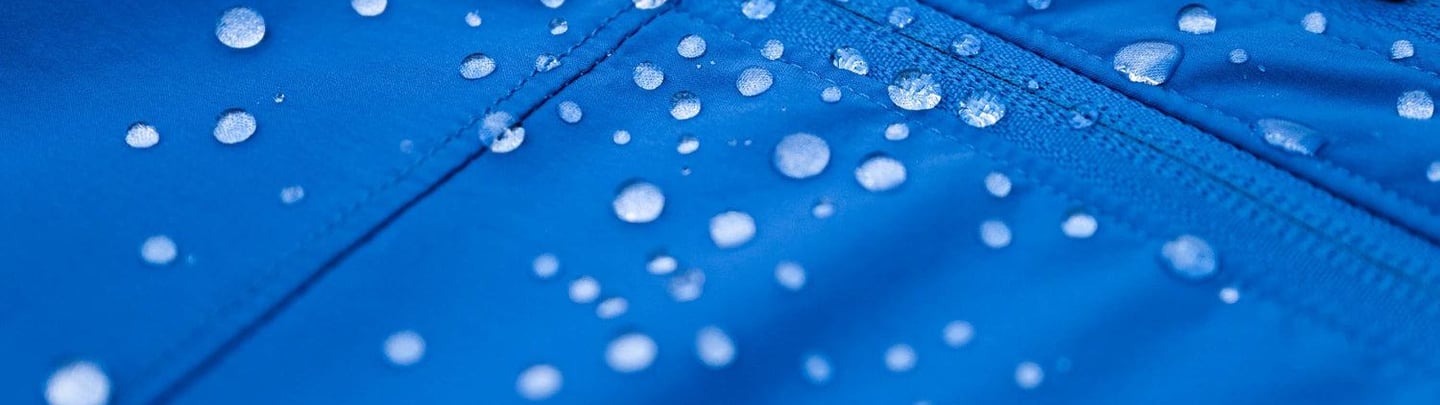
What Is Fabric Coating?
Fabric coating is a finishing process where a liquid polymer (commonly PU) is applied to the fabric surface and cured to create a protective layer.
Key Features:
Cost-effective solution
Good water resistance
Flexible and lightweight
Suitable for various applications
Common Types:
PU coating fabric
Acrylic coating
Silicone coating
Explore our coated fabric solutions:
https://www.yl-fabric.com/products
What Is Fabric Lamination?
Fabric lamination involves bonding a membrane or film (such as TPU) to the fabric using heat or adhesive.
Key Features:
High waterproof performance
Better durability
Improved windproof capability
Suitable for technical and outdoor use
Common Types:
TPU laminated fabric
Multi-layer bonded fabrics
Explore our laminated and functional fabrics:
https://www.yl-fabric.com/products
PU Coating Fabric
PU coating is one of the most widely used coating technologies in the textile industry.
Advantages:
Cost-efficient
Good water resistance
Widely applicable
Limitations:
Lower durability compared to lamination
May degrade over time with washing
TPU Laminated Fabric
TPU laminated fabric is commonly used in high-performance apparel due to its strong waterproof capability.
Advantages:
High waterproof performance
Long-lasting durability
Better resistance to washing
Applications:
Outdoor jackets
Rainwear
Technical apparel
When to Choose Coating vs Lamination
Choose Coating if:
Cost control is important
Light water resistance is sufficient
Flexibility and softness are priorities
Choose Lamination if:
High waterproof performance is required
Durability is critical
The product is for outdoor or technical use
Common Problems in Coated & Laminated Fabrics
Buyers often face issues such as:
Coating peeling off
Lamination delamination
Inconsistent performance in bulk production
Causes:
Poor process control
Low-quality materials
Lack of testing and verification
Our Solution
At YL Textile, we ensure stable coating and lamination performance through:
Controlled production processes
High-quality material selection
Strict quality control from sample to bulk
Third-party testing for verification
We focus on long-term durability, not just initial performance.
View our coated and laminated fabric solutions:
https://www.yl-fabric.com/products
Applications
Coated and laminated fabrics are widely used in:
Outdoor jackets
Sportswear
Rainwear
Workwear
They are essential for functional and protective apparel.
FAQ
What is the difference between coating and lamination?
Coating applies a liquid layer to the fabric surface, while lamination bonds a separate film onto the fabric.
Which is better: PU coating or TPU lamination?
PU coating is more cost-effective, while TPU lamination provides higher waterproof performance and durability.
Is coated fabric waterproof?
Coated fabric is water-resistant and can be waterproof depending on the coating thickness and quality.
Is laminated fabric more durable?
Yes. Laminated fabrics are generally more durable and resistant to washing and wear.
What is the best fabric for waterproof jackets?
TPU laminated fabrics and high-quality coated fabrics are commonly used.
Address
Office Hours
YL Textile
No. 999 Xihuan 2nd Rd.,
Shengze Town, Wujiang Dist.,
Suzhou, Jiangsu, China
Postal Code: 215228
Contact
Mon - Fri: 09:00 - 22:00
Sun: Closed